
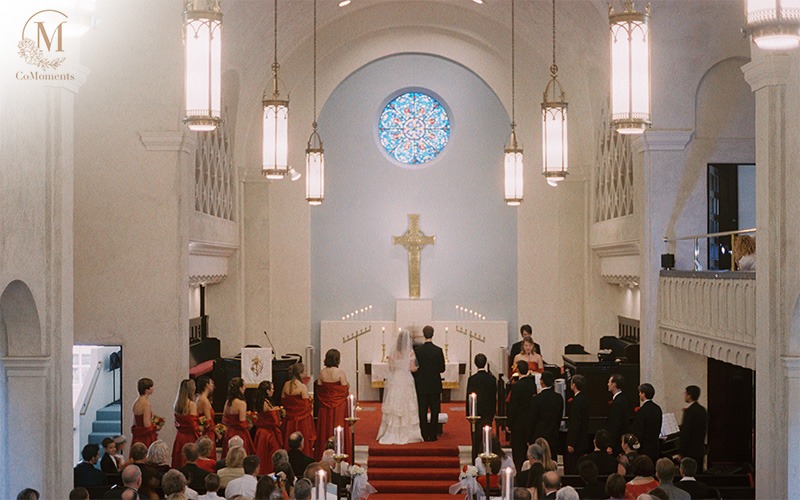
Church weddings hold deep spiritual significance, symbolising commitment, love, and unity. They provide couples with the opportunity to exchange vows in a sacred setting, surrounded by family, friends, and the presence of faith. However, planning a church wedding requires meticulous preparation to ensure every detail is laid out according to the couple’s vision and the church’s traditions. From selecting the right church venue for the wedding to organising the church reception, every step is integral to creating a smooth and successful celebration.
Coordinating logistics like the wedding buffet, as well as adhering to religious customs and personal preferences can be overwhelming, but with careful planning, your wedding day can unfold seamlessly. This guide provides a comprehensive overview of the key elements involved, including selecting a venue, planning the ceremony, and incorporating personal touches. By adhering to these steps and collaborating with church officials, you can create a memorable and spiritually enriching wedding experience.
Step 1: Understanding the Church Wedding Requirements
Selecting the Right Church for Your Wedding
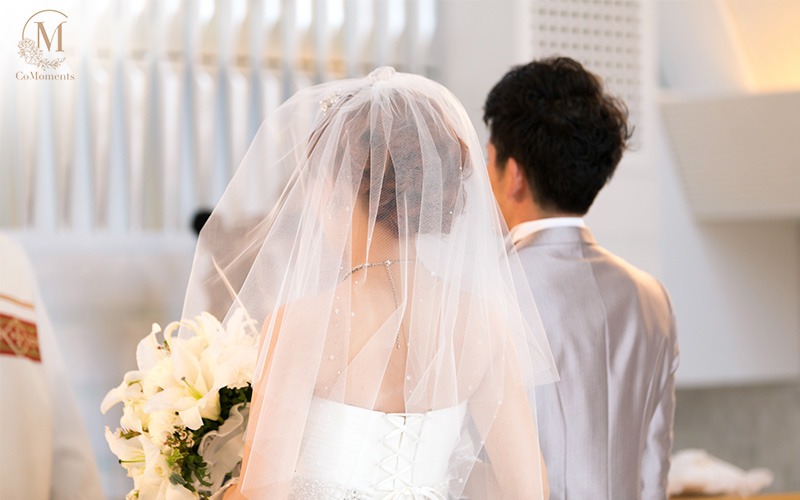
Choosing the right church shapes the atmosphere of your entire celebration. Beyond practical details like capacity, location, and accessibility, many couples are drawn to the beauty of the space, perhaps the glow of stained glass windows, the grandeur of an altar, or the quiet charm of a small chapel. Singapore churches often have their own traditions too, from premarital counselling to specific ceremony structures and booking requirements, so it helps to be familiar with these early on.
Start your search well in advance, visit a few local venues, and have open conversations with the clergy about what you envision. Some churches even offer extra support, such as coordinators or music teams, which can make planning your church wedding feel less overwhelming and more meaningful.
Securing the Church Venue
Churches are popular venues for weddings, so it is necessary to enquire and book your desired church venue as early as possible in order to secure your preferred date, especially during peak seasons. Most churches require reservations at least 6 to 12 months in advance. The cost of renting a church for your wedding can vary widely, so it is essential to ask for a detailed breakdown of fees, including deposits, maintenance charges, and additional costs for decorations or specific requests.
Churches often have policies regarding the use of candles, confetti, and music, so confirm these details during the booking process. Understanding the church’s requirements and limitations ensures smooth planning and helps avoid last-minute surprises.
Collaborating closely with the church staff can also provide insights into how to best utilise the space and adhere to any specific guidelines, making your church wedding both beautiful and compliant with church traditions.
Step 2: Key Wedding Planning Elements
Choosing the Right Church Wedding Ceremony
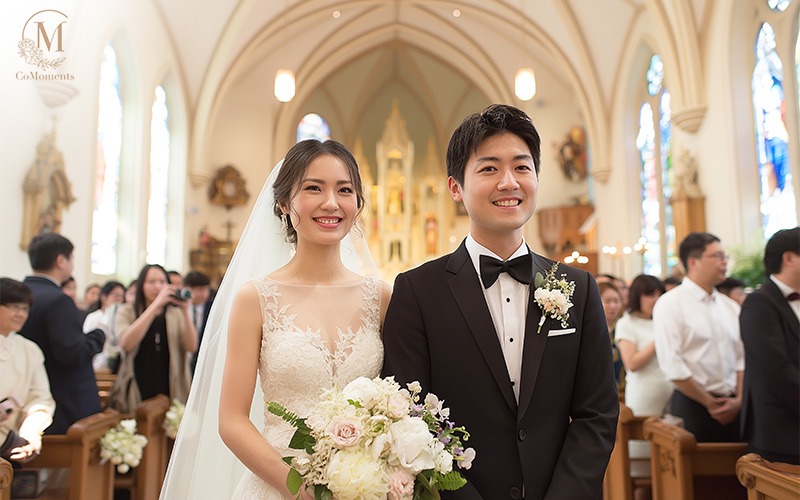
A church ceremony is often one of the most heartfelt parts of a wedding, giving couples a chance to honour their faith and values in a way that feels true to them. Some choose a traditional service filled with hymns, Bible readings, and the exchange of vows, while others add small modern touches if the church allows.
There’s also room to make the ceremony more personal, so long as it’s planned together with the officiant. Meaningful rituals, like sharing Communion, lighting a unity candle, or including a special blessing, can bring even greater depth to the moment. To ensure everything flows smoothly on the day of your church wedding, it’s always wise to work out the details with the church staff ahead of time.
Wedding Party Considerations
To paraphrase, it takes a village to plan a wedding. Alongside bridesmaids and groomsmen, you might also involve ushers to welcome guests, or add personal touches with flower girls and ring bearers.
The officiant is at the heart of the ceremony, so it helps to build a good connection and share your hopes for the day. Couples often invite pastors from their own congregations, as the familiarity brings a sense of comfort and ease.
Behind the scenes, church staff play an equally important role. From arranging the processional and recessional to sorting out seating and making sure guidelines are followed, their support ensures the day flows smoothly. With everyone working together, a church wedding becomes both organised and deeply personal.
Step 3: Essential Church Wedding Details
Church Decorations and Ambience
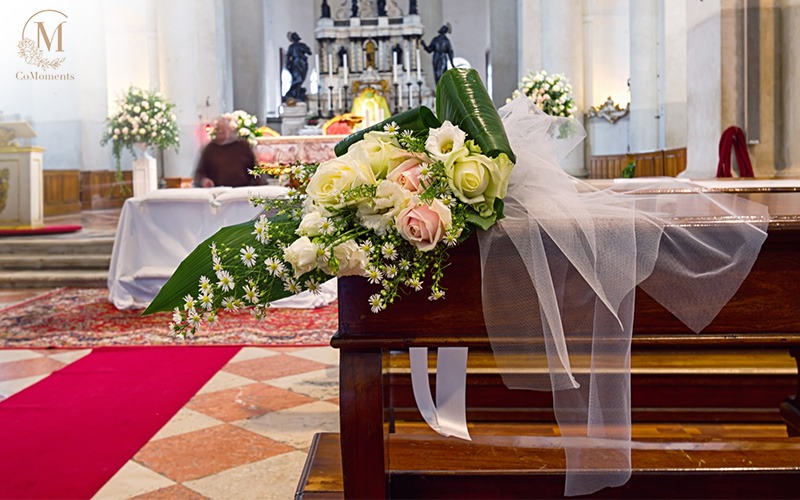
When preparing for your church wedding, finding the right balance between personal expression and respect for tradition is key. Decorations can transform the space beautifully, but they should always enhance rather than overwhelm the church’s existing architecture.
Floral arrangements are a timeless choice, bringing colour, fragrance, and elegance to the setting. Seasonal blooms and greenery that match the church interior often work best. Simple pew accents, such as ribbons, bows, or small bouquets, can brighten the aisle, while altar arrangements should frame the space without blocking the view.
Candles add warmth and intimacy, but it is important to check the church’s policies on open flames. Some may request battery-operated alternatives or limit placement due to safety concerns. Fabric draping and aisle runners are also popular touches, and if you prefer professional assistance, CoMoments by CaterCo offers packages to help bring your ideas to life.
Music is another way to set the tone for your church wedding. A choir, organist, or soloist can bring grandeur and depth, while selected hymns or instrumentals create a more personal atmosphere. Just remember to seek approval for performances and confirm the church’s guidelines on instruments or amplification.
Wedding Attire and Dress Code
When planning your outfit for a church ceremony, consider the setting to balance style and respect.
For brides, this often means leaning towards modest yet elegant designs. While modern fashion may favour more revealing cuts, gowns with higher necklines, longer sleeves, or full-length skirts are often a better fit for the occasion. This doesn’t mean sacrificing style; there are many graceful designs that look both timeless and striking. Comfort is equally important, so avoid heavy trains that are difficult to manage or shoes that make it hard to walk with ease.
For grooms, the outfit should complement the bride’s gown and the overall atmosphere of the day. A classic suit or tuxedo works well with a formal dress, while a tailored suit or smart separates suit a more relaxed look. Whatever the choice, neat tailoring, polished shoes, and attention to detail help create a polished impression that enhances the meaning of a church wedding.
Step 4: Church Wedding Reception Planning
Reception Location and Coordination
When selecting a reception venue for your church ceremony, it is crucial to prioritise convenience for your guests. Choosing a location close to the church can significantly simplify logistics and minimise travel time between the ceremony and celebration. If your church happens to have a reception space available, consider utilising it for even greater convenience.
However, if your reception venue is located further away, it would be thoughtful to arrange transportation options for your guests, such as chartering buses, carpools, or ride-sharing services.
The reception venue plays a significant role in setting the tone for your celebration, so consider the ambiance you wish to create. Whether you are opting for an elegant banquet hall, a charming outdoor garden, or a cozy, intimate space, take the time to visit potential venues, envision your reception within the space, and consider factors such as capacity, layout, amenities, and accessibility.
Incorporating Personal Touches
Adding personal touches is a wonderful way to bring your own story into the ceremony. You might write your own vows, choose readings that reflect your relationship, or include cultural traditions such as a unity candle, a sand ceremony, or a family prayer. These meaningful details can deepen both the spiritual and emotional experience.
At the reception, food is another way to express your personality. Customising the wedding buffet gives you the chance to offer a variety of dishes that cater to different tastes, from local favourites to international flavours. With thoughtful planning, the dining experience can feel just as special as your church wedding itself.
Final Step: Understanding Church Weddings and Preparation
The Differences Between a Catholic and Christian Ceremony
Catholic weddings follow a traditional liturgy with specific rituals, including the exchange of vows, Communion, and blessings. The ceremony is highly structured, reflecting the faith’s sacraments. In contrast, Christian weddings can differ by denomination but generally focus on vows, prayers, and hymns.
Unlike Catholic ceremonies, most Christian weddings do not include sacraments such as Communion. Understanding these distinctions is an important part of your wedding ceremony planning.
Marriage Preparation Course Before the Wedding
Many churches, particularly Catholic ones, require couples to attend marriage preparation courses before the wedding. These courses focus on both the spiritual and emotional aspects of marriage, helping couples strengthen their relationship. They provide valuable insights into communication, conflict resolution, and the responsibilities of marriage.
Attending a marriage preparation course ensures couples are better equipped for the challenges of married life, deepening their understanding of each other and their faith. Completing this programme is often a prerequisite for couples to be married in the church, so be sure to plan ahead and make time for it.
The Important Documents Needed
For a church ceremony, you will require key documents such as baptismal certificates, identification cards, and proof of completion of a marriage preparation course. In the case of Catholic weddings, these documents are often required to be submitted well in advance, so it is important to review the church’s specific requirements early in the planning process.
Gathering these documents ahead of time ensures that you meet all the necessary criteria for your ceremony. We recommend contacting the church to confirm the exact documentation needed and the deadlines for submission to avoid any last-minute issues.
The Worship Segment During the Ceremony
Collaborate with your officiant or the church’s music ministry team to plan the worship segment of your ceremony. Select hymns, Bible readings, and prayers that reflect your faith and personal beliefs. Many churches offer musicians or choirs to enhance the worship experience, creating a more meaningful atmosphere.
Consider including songs or scriptures that hold special significance to you as a couple, as well as prayers that align with the spiritual tone of your ceremony. A well-planned worship segment adds depth and reverence, making your wedding ceremony a memorable spiritual celebration.
The Wedding Booklet
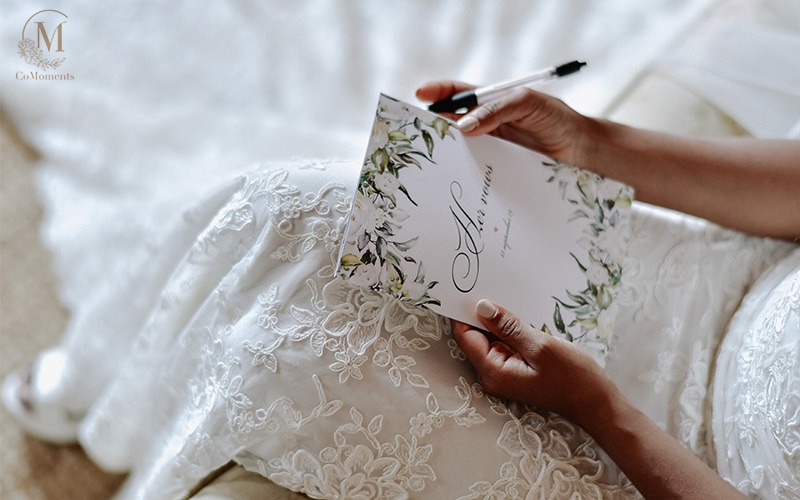
A wedding booklet is an essential guide for your guests during the ceremony. It includes important details such as the schedule, hymns, Bible readings, prayers, and any personalised elements like vows or blessings. By providing this booklet, you ensure that everyone can actively participate and follow along with the service. It also helps create a seamless and inclusive experience for your guests, enabling them to feel more connected to the ceremony.
Additionally, a well-crafted booklet serves as a meaningful keepsake, allowing your loved ones to remember your special day for years to come.
The Red Packets for the Church Wedding
Red packets, or “ang bao,” are a customary way to express gratitude to the officiant, church staff, musicians, and coordinators during a church wedding. The amount given is a personal decision, typically reflecting your relationship with each individual and the level of involvement in your ceremony.
These tokens of appreciation are not only a symbol of respect but also a way to help cover any costs associated with the church and its services. It is a thoughtful gesture to acknowledge the efforts of those who contribute to making your wedding day special.
The Rehearsal Dinner
The rehearsal dinner, typically held one or two days before the wedding, serves as a valuable opportunity to ensure everyone understands their role in the ceremony. It provides the chance to walk through the event with the wedding party, allowing for the smooth coordination of key moments.
This relaxed gathering also helps ease any nerves, offering the couple and their loved ones a moment to connect and prepare for the big day ahead. The rehearsal dinner is not only practical but also a special time for bonding before the wedding celebrations begin.
FAQs about CoMoments's Church Wedding
1. How long in advance should I book the church for my wedding?
It is recommended to book the church for your wedding at least 6 to 12 months in advance. Popular churches, especially in busy wedding seasons, can get fully booked well in advance, so securing your date early is important. Additionally, booking early allows ample time to complete necessary preparations such as marriage courses, document submission, and planning your ceremony details. Be sure to check with the specific church for their booking policies and any additional requirements.
2. What is the dress code for a church wedding?
The dress code for a church wedding typically calls for modest, respectful attire. For women, this means dresses or gowns that cover the shoulders and avoid overly revealing cuts. Many churches request that guests refrain from wearing dresses with low necklines or very short skirts. Men are usually expected to wear suits or formal attire, such as a blazer and dress trousers, depending on the formality of the event. It is also a good idea to avoid wearing white or overly flashy colours to respect the bride’s attire. Always check with the couple or church for any specific guidelines or preferences.
3. Can I incorporate my personal vows or readings into the ceremony?
Yes, you can usually incorporate personal vows or readings into your church wedding ceremony, though it is important to discuss this with your officiant beforehand. Many churches allow couples to add personal touches like custom vows, readings from loved ones, or specific prayers, as long as they align with the church’s guidelines. Personal vows can be a meaningful way to express your love and commitment, while readings can help reflect your values and faith. Ensure that you work with your officiant to ensure these elements complement the structure and tone of the ceremony.
Planning a church wedding takes thoughtful preparation and attention to detail. From understanding church requirements and ceremony traditions to arranging decor and reception logistics, every element plays a part in creating a meaningful celebration. Having a clear picture of what is needed for the day and working closely with the clergy helps ensure everything runs smoothly.
At CoMoments by CaterCo, we support couples in bringing their vision to life with tailored wedding packages and professional planning services. Our team coordinates every detail, from floral arrangements and seating plans to decor and custom signage, while also liaising with church staff to honour traditions. We can assist with rehearsal dinners, catering, and transport arrangements, so your church wedding feels seamless, allowing you to focus on celebrating with your loved ones.